
What Is a Social Enterprise, and How Is It Different from CSR?
These two are often conflated, and the difference isn't just semantic.
CSR, corporate social responsibility, describes activity a business does alongside its core commercial function: a percentage of profits donated, a volunteering day, a sustainability report published once a year. It's additive. The business could, structurally, exist without it.
A social enterprise is different by design, not by add-on. In the UK, certification through Social Enterprise UK (SEUK) requires an organisation to meet four specific criteria:
A clear social or environmental mission embedded in its governing documents, not just its marketing
Reinvestment or donation of at least 50% of surpluses back towards that mission
Independence, earning at least 50% of its income through trade rather than grants or donations
Transparency about both operations and impact
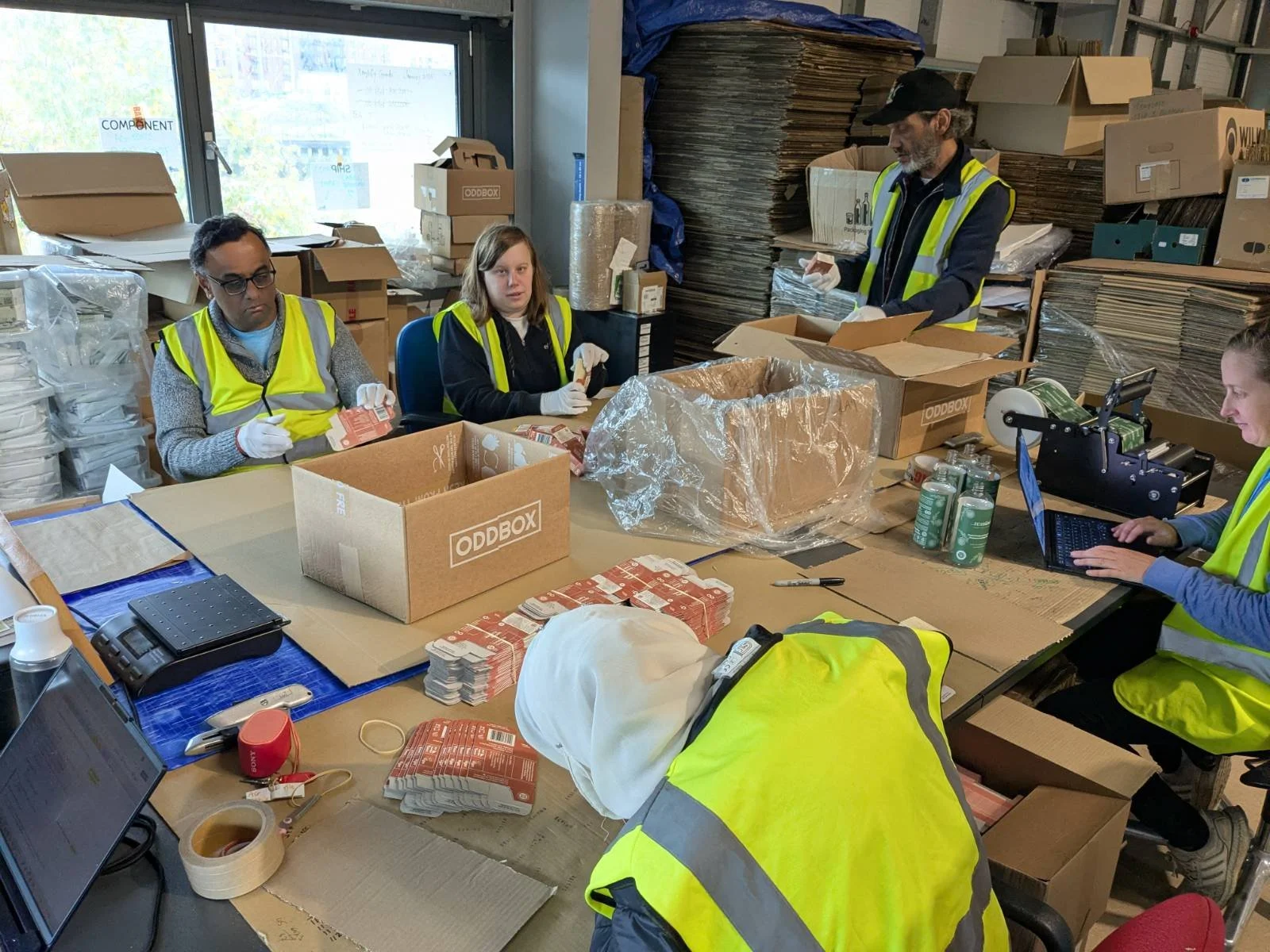
Amplify Goods is certified against all four. What that means in practice is that our social and environmental mission isn't a layer sitting on top of a hygiene products business. It's the structural reason the business exists in the form it does: every product sold funds the model, rather than a portion of profit being redirected to fund something separate from it.
That distinction matters for anyone evaluating suppliers against social value or ESG criteria, because the two models carry very different risk profiles. A CSR commitment can be scaled back in a difficult year without the underlying business being affected. A social enterprise's social mission is contractually and legally part of what the organisation is, which is a meaningfully different, and more durable, kind of commitment.
If you're trying to work out whether a supplier's social impact claims are structural or supplementary, SEUK certification (or an equivalent, independently verified standard) is the clearest signal to look for. It's not a claim a business can make about itself. It has to be earned against a defined set of criteria, checked by somebody else.