
PRODUCT INGREDIENTS
When it comes to eco-toxicity and biodegradability, we are open about our ingredients!
We've pulled together a full list of information related to aquatic safety and biodegradability timelines of our rinse-off formulations.
All ingredients are readily biodegradable, nothing carries a PBT (persistent, bioaccumulative, toxic) classification, and nothing appears on EU or REACH restriction lists for environmental reasons.
Our products are Vegan Society certified and free from synthetic perfumes, and non-readily biodegradable compounds. This matters particularly for rinse-off products, where conventional formulations can persist in waterways and damage aquatic ecosystems.
We don't currently have published aquatic toxicity data sheets or specific biodegradability timeline studies, but this is an area we're actively developing.
Find out what's in our rinse-off formulations below.
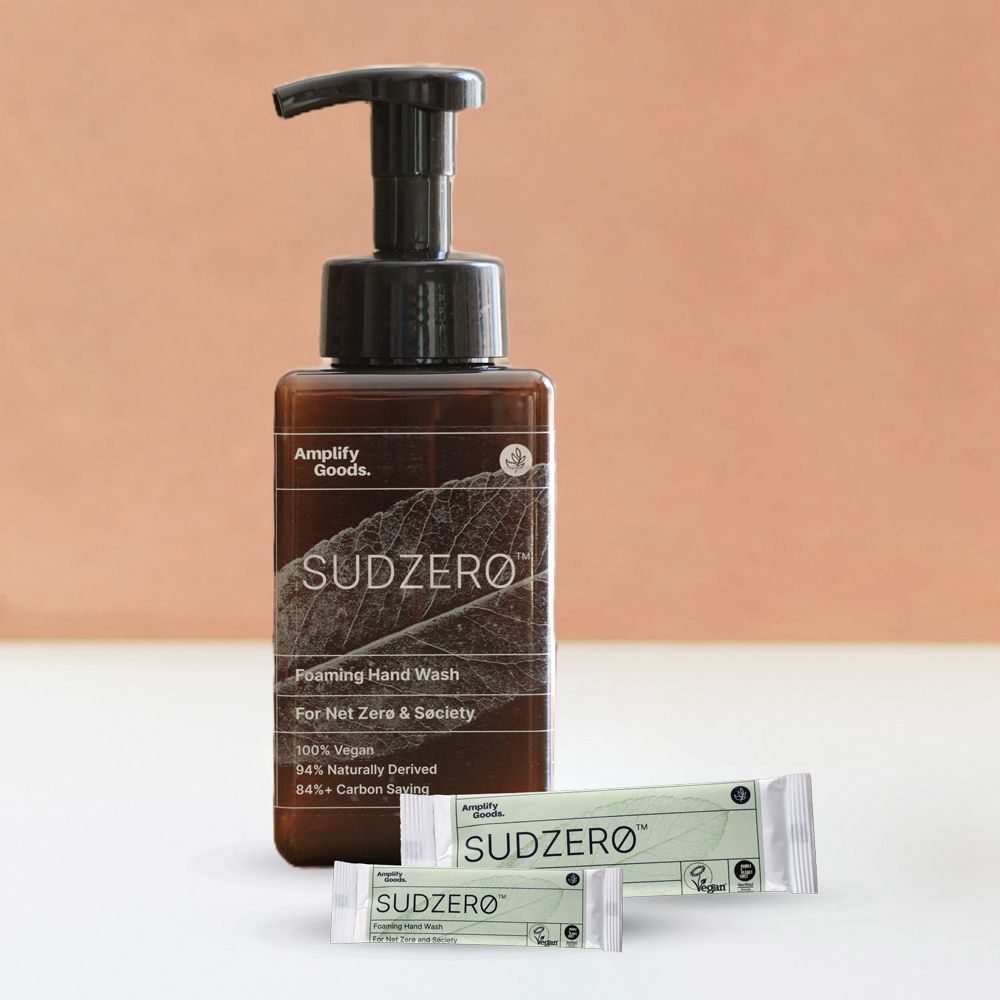
Sudzero Super Eco: SZ6105 and SZ6005
-
Readily biodegradable. Derived from citric acid, it breaks down rapidly in aquatic environments. Very low eco-toxicity — used widely in food and is considered essentially non-toxic to aquatic organisms at realistic environmental concentrations.
-
Readily biodegradable - it's a simple carbohydrate derived from starch. No meaningful eco-toxicity concerns; it's metabolised quickly by microorganisms in wastewater treatment systems.
-
Readily biodegradable. A naturally occurring polyhydroxy acid (PHA) derived from glucose. Extremely low eco-toxicity profile - no known aquatic hazard classifications.
-
Readily biodegradable under OECD 301 test conditions. At 1% in the powder (effectively a fraction of 1% in the finished diluted product), environmental risk is negligible. It is not classified as environmentally hazardous under CLP regulations.
-
Readily biodegradable. Low aquatic toxicity at typical rinse-off concentrations. Regulators (including the EU) consider it safe in rinse-off products at these use levels.
-
Readily biodegradable - one of the most well-regarded surfactants from an environmental standpoint. Derived from coconut oil. Very low aquatic toxicity at diluted concentrations; not classified as environmentally hazardous. .
-
Readily biodegradable. Derived from sorbic acid (naturally found in berries). Low eco-toxicity — widely considered safe for aquatic environments at the concentrations present in rinse-off formulations.
-
Readily biodegradable. A mild, di-ester surfactant with a good environmental profile. Low aquatic toxicity at diluted concentrations and not classified as environmentally hazardous under EU CLP. Considered one of the gentler surfactant options available.
-
Readily biodegradable — naturally occurring in all living organisms and rapidly metabolised. No aquatic toxicity concerns whatsoever.
-
Readily biodegradable. A sugar-based ester (sucrose + stearic acid) that breaks down into simple sugars and fatty acids. Very low eco-toxicity profile at diluted concentrations - widely used in natural and organic formulations precisely because of its benign environmental footprint.
-
Readily biodegradable. At the dilution levels present in the finished product - a trace percentage of 1% in the powder - real-world environmental risk is extremely low. Wastewater treatment removes it effectively, and no PBT (persistent, bioaccumulative, toxic) classification applies.
-
Readily biodegradable. At these dilution levels it presents negligible environmental risk. No PBT classification.
-
Readily biodegradable - and notably, in SUDZERO this is upcycled from sugar cane waste, which adds a further positive credential. Low aquatic toxicity at diluted concentrations; not classified as environmentally hazardous. Functions here as a natural humectant and dispersant.
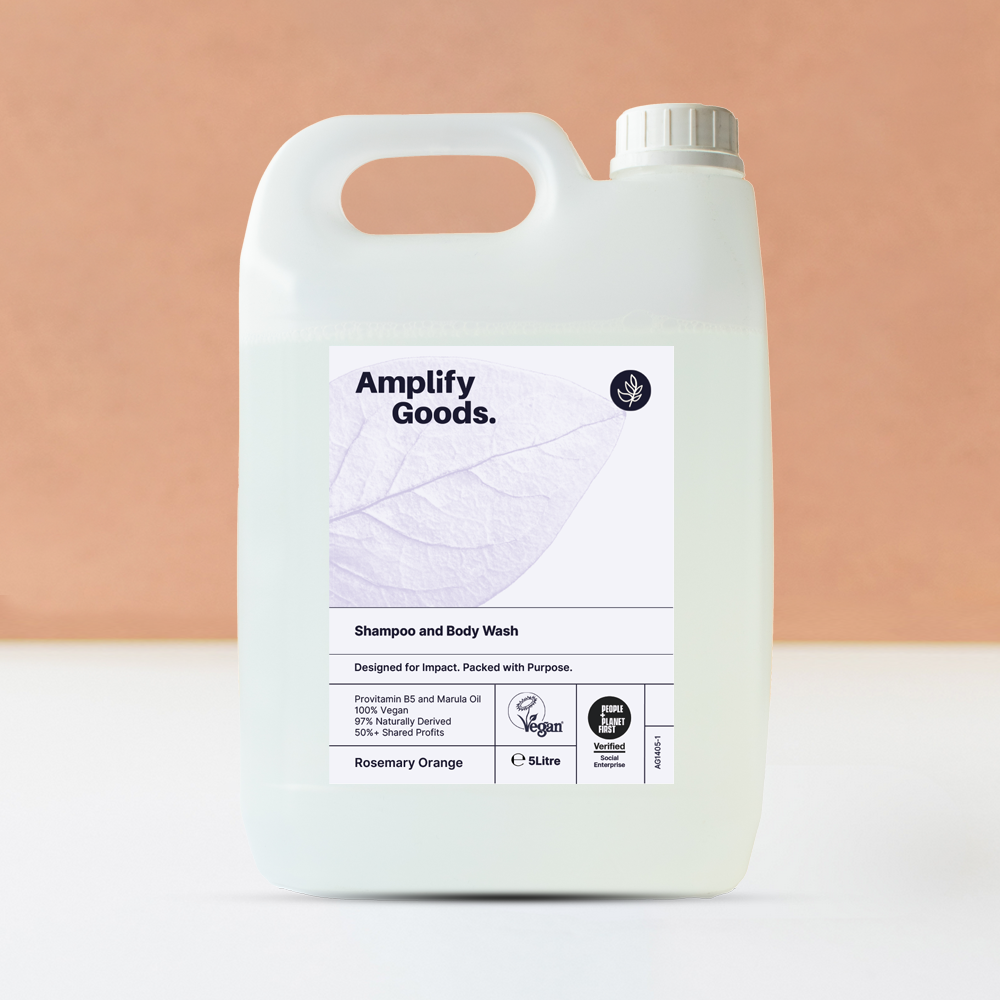
Shampoo and Body Wash: AG1405
-
No biodegradability or eco-toxicity concerns. The carrier.
-
Readily biodegradable. A primary surfactant commonly used in shampoos. At rinse-off concentrations entering a wastewater system, aquatic toxicity is low - it is effectively removed by standard sewage treatment. Not classified as environmentally hazardous under CLP at typical use dilutions.
-
Readily biodegradable. A mild, coconut-derived amphoteric surfactant with a well-established environmental safety profile. Low aquatic toxicity at rinse-off concentrations. Widely regarded as one of the more environmentally benign surfactant options available and a positive credential in this formulation.
-
Readily biodegradable - derived from renewable plant sources (glucose and fatty alcohols). Exceptionally low eco-toxicity profile at diluted concentrations; not classified as environmentally hazardous.
-
Readily biodegradable (it's salt). No eco-toxicity concerns at rinse-off concentrations - it occurs naturally in aquatic environments.
-
Readily biodegradable. A naturally derived humectant that breaks down rapidly and completely in aquatic environments. No eco-toxicity concerns at any realistic concentration.
-
Biodegradable, though somewhat slower than the simpler ingredients in this list due to its polymer structure. At rinse-off concentrations it presents low aquatic toxicity. It is a modified natural gum (derived from guar beans) and is not classified as environmentally hazardous under CLP.
-
Readily biodegradable - a natural plant oil that breaks down effectively in aquatic environments. Very low eco-toxicity at rinse-off dilutions. No PBT classification. A premium, naturally derived conditioning ingredient with a clean environmental profile.
-
Readily biodegradable. A naturally occurring vitamin precursor with negligible aquatic toxicity at any realistic rinse-off concentration. No environmental hazard classification.
-
Readily biodegradable. At the dilution levels present in the finished product - a trace percentage of 1% in the powder - real-world environmental risk is extremely low. Wastewater treatment removes it effectively, and no PBT (persistent, bioaccumulative, toxic) classification applies.
-
Readily biodegradable. At these dilution levels it presents negligible environmental risk. No PBT classification.
-
Readily biodegradable. Low aquatic toxicity at rinse-off concentrations. Considered safe by EU regulators in rinse-off formulations at these use levels.
-
Readily biodegradable - naturally occurring in all living organisms and rapidly metabolised in aquatic environments. No eco-toxicity concerns.
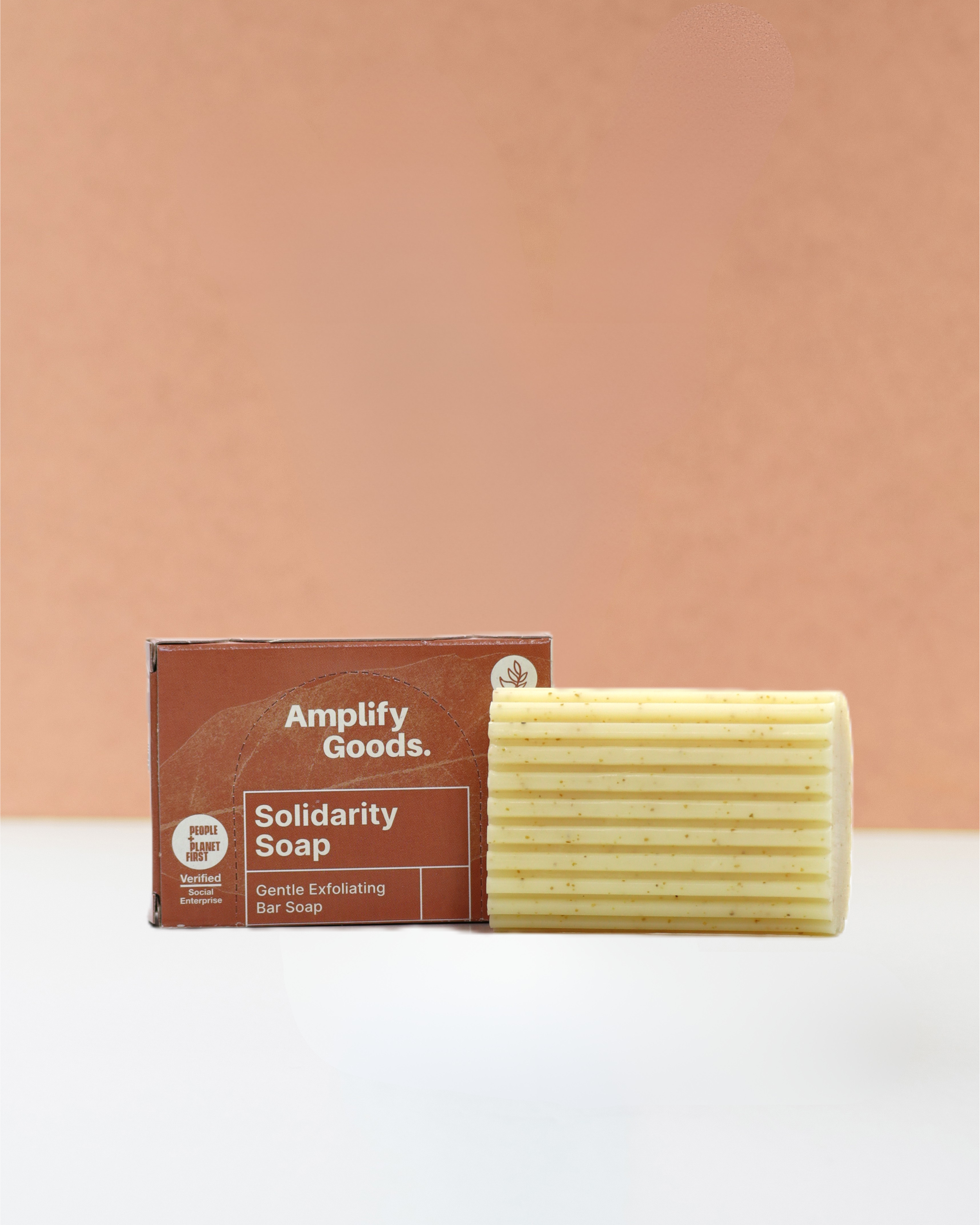
Exfoliating Bar Soap: AG5005
-
Readily biodegradable. It breaks down effectively in aquatic environments. Low eco-toxicity at rinse-off dilutions. No PBT classification. An RSPO certified palm derivative.
-
Readily biodegradable. The saponified form of coconut oil and one of the most environmentally well-regarded soap bases available. Very low eco-toxicity at rinse-off dilutions.
-
No biodegradability or eco-toxicity concerns. The carrier.
-
Readily biodegradable. Breaks down rapidly and completely in aquatic environments. No eco-toxicity concerns at any realistic concentration.
-
Readily biodegradable. Breaks down rapidly in aquatic environments. Very low eco-toxicity - considered essentially non-toxic to aquatic organisms at realistic environmental concentrations.
-
Readily biodegradable. At the dilution levels present in the finished product - a trace percentage of 1% in the powder - real-world environmental risk is extremely low. Wastewater treatment removes it effectively, and no PBT (persistent, bioaccumulative, toxic) classification applies.
-
Readily biodegradable. At these dilution levels it presents negligible environmental risk. No PBT classification.
-
This is a physical exfoliant rather than a soluble ingredient, so the biodegradability and eco-toxicity framing is slightly different. Olive stone powder is a natural, biodegradable material - it breaks down in the environment without leaving microplastic residue, which is a significant and actively positive credential.